
Choosing Between Remarketing And Retargeting
While many companies focus their marketing efforts on increasing brand awareness and acquiring new consumers, many overlook retargeting and remarketing. Both tactics can assist you in engaging customers who have previously visited your website but have not made a purchase.
An estimated 94 percent of website visitors will never return. However, re-engaging with these potential clients drives them back to your site and boosts your chances of a successful transaction. So, what is the difference between remarketing and retargeting? When should you use them? Continue reading to explore the distinctions between remarketing and retargeting.
What Exactly Is Remarketing?
When clients join up for one of your email lists but do not purchase, you remarket to them by sending automatic and personalized communications to them. You can also utilize it to reconnect with customers who haven’t purchased in a long time.
Remarketing Strategy Target
The lost visitor is your core target audience. Whether you want to engage a current customer, a previous customer, or a potential consumer, your remarketing efforts should be utilized to engage those who have visited your website but did not make a purchase.
Email marketing keeps you in front of these clients’ minds and reminds them that you are still in business. A marketing channel can help you achieve your marketing objectives for the following categories.
Your Previous Visitors
Marketing to existing visitors may be less expensive than marketing to new visitors. These customers are already acquainted with your brand and know what to expect. You can develop a marketing strategy that notifies prior customers of new deals and promotions, announces new product lines, and communicates business developments.
You can also utilize remarketing to reconnect with consumers you haven’t spoken with in a while. Create an email campaign to reintroduce yourself and offer them a unique promotion to entice them to return to your website. A simple discount can help them progress through your marketing funnel and enhance conversion rates.
If you want to get feedback, you might send an email survey to prior customers to find out why they are not buying from you. You may utilize this to improve your product or service offerings and develop a new message to reassure customers of your dedication to excellence.
Existing Customers
If you offer complimentary items or services, utilize remarketing to engage current consumers and show them how to augment what they’re already consuming. Personalize email to engage existing consumers with special offers. Send thank-you notes and special offers to your current clients to make them feel appreciated. Also, keep in mind that this marketing channel is an excellent instrument for rewarding customer loyalty.
Advantage Of Email Marketing
Email remarketing allows you to personalize communications for current and prior consumers. These messages are more tailored and relevant than standard email blasts. You can program notes to send to people who abandon their carts or sign up for a coupon or newsletter but do not purchase anything.
Another typical application for email remarketing is connection development by following up with existing customers. You can send a follow-up email to see how your product is working and offer to meet with your clients to answer any questions or provide additional feedback, financial services, or material things.
You can promote your content to those already interested in your organization via remarketing. If you routinely publish blogs or videos, send an email to your present customers informing them of your new content and encouraging them to participate.
How can you benefit from Remarketing?
Remarketing increases your chances of effectively converting consumers who leave your website without purchasing and allows you to strengthen current client relationships. It raises brand recognition by reintroducing your firm to consumers who have never heard of it before.
Retargeting Strategy, How?
Retargeting is similar to remarketing however this method focuses on sponsored advertisements. You may use Google AdWords, Facebook Ads, and other digital advertising platforms to attract individuals to return to your website who have left it.
Retargeting’s primary purpose will most likely be to close sales. You might be tempted to target ads to everyone who has visited your site within a specific time frame, but retargeting is more effective if you focus on a select group of people.
A variety of retargeting techniques
Static retargeting is when you send the same paid ad to everyone who visits your site without specifying anything. You could, for example, send a standardized, automatic advertisement to anybody who has visited your website. You can target multiple versions of the same ad based on how visitors interacted with your site, but they will all see the same message. Static advertising helps introduce new products, create brand awareness, and businesses with limited program and service offerings.
Retargeting in dynamic mode
It entails directing visitors back to your website based on how they interacted with it previously. It’s a systematic strategy for re-engaging people who have abandoned their carts or who have clicked on a CTA but did not take action. You could send them a retargeting ad promoting the offer and reminding them that it is only on for a limited period if someone clicked on your social media ads announcing a 20% off discount but didn’t buy. You could run retargeting ads showcasing the particular products in a potential customer’s cart if they abandoned it.
Firms with a vast inventory, eCommerce enterprises, and businesses with a diverse consumer base that responds to different messages benefit from retargeting in dynamic mode.
Developing a Retargeting Plan
Make a list of objectives. It will help you determine which users you want to retarget and craft communications that will appeal to them. You may select to concentrate your efforts exclusively on visitors who stay on your website for more than a minute. After establishing those parameters, identify where you’d like to place retargeting tags on your website and link them to unique landing pages that convince visitors to take action.
When should you use remarketing vs. retargeting?
The remarketing vs. retargeting examples provided should help determine when each method should be used. Retargeting is a technique for engaging folks who have visited your website or connected with your brand on social media. Remarketing is a technique for re-engaging customers who have previously done business with you. Aside from abandoned cart emails, the majority of remarketing is focused on upselling and sustaining client connections. The goal of retargeting is to raise brand recognition and close transactions. When you’re attempting to lead to the final phase of the sales funnel, which is purchasing, it’s a better fit.
Paid Ads
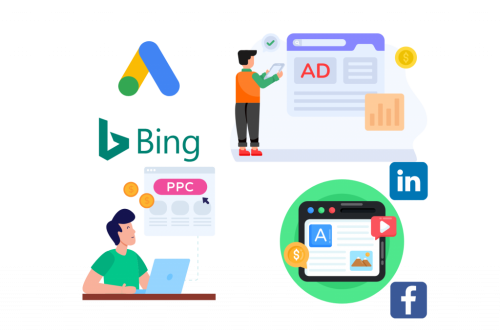
It also works with Google AdWords, LinkedIn ads, Instagram advertisements, and other platforms. When you create a retargeting ad using Google, it will be displayed on another website as a banner or a display ad. These are fantastic techniques to keep users thinking about your products and services even after they’ve left your site. They can be static or dynamic, just like Facebook advertising. Google also allows you to customize your layout based on your target audience, increasing the click rate of your ads.
Know the best outcome from remarketing and retargeting campaigns.
Measure your successes for the most remarkable outcomes and use them to develop future remarketing and retargeting initiatives. You can assess if your conversion rates have improved by counting the number of transactions made by returning visitors. Abandoned cart rates, unique visits vs. returning visitors, page views, time spent on-page, and email open rates should all be tracked. All of these indicators can help you determine how effective your remarketing and retargeting strategies are. Multiply Marketing can help you track activity in your all campaign and generate more leads and clients. Connect with us now.